“Forest region” search results (900)
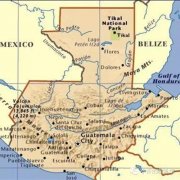
World Coffee Tour A big coffee producer in Guatemala and Central America
Guatemala is a big coffee producer in Central America, ranking eighth in the world in terms of output. Guatemala, whose name comes from the Mayan language, means thelandofmanytrees, the country of the forest. Located in Central America, it is known as the pearl in the crown of China and the United States. Although Guatemala has a limited land area, it has a rich and diverse climate. A country famous for lakes and volcanoes, volcanic soil,
2015-11-09 World Coffee Tour Guatemala Central America production Great Power
Coffee beans Peruvian cicada tea Mayu coffee beans
Up to 98 per cent of Peruvian coffee is grown in forest areas, most of the producers are small farmers, and Peru's best coffee is produced in several regions, such as Chanchamayo, Cuzco, Norte and Puno. Most Peruvian coffee is grown under natural conditions, but it is also difficult to confirm the cultivation of all coffee trees. Natural condition
2014-09-19 Peruvian coffee beans
El Salvador, Northern Central America Coffee Region Manor Flavor Taste Introduction
El Salvador is located in the north of Central America and is the most densely populated country in Central America. Honduras borders the country to the north, the Pacific Ocean to the south and Guatemala to the northwest. The national economy is dominated by agriculture, with coffee and cotton as the main crops. El Salvador is also one of the birthplaces of ancient Mayan culture, not only with a distant culture, but also with volcanoes, plateau lakes and the Pacific coast.
2016-07-22 Central America North El Salvador Coffee Region Manor Flavor Taste Introduction
Introduction of Coffee Variety characteristics and Flavor description in Xidamo Chiso producing area of Ethiopia
Ethiopian coffee is harvested once a year. The beautiful white coffee flowers bloom from March to April, and then the fruit begins to grow. From September to December, the red coffee fruit is ripe for picking. The new season of coffee begins to be exported from November to December. At present, about 25% of the Ethiopian population directly or indirectly depends on coffee production for a living. The majority of farmers use traditional planting methods. Manual care of coffee trees, using
2016-09-29 Ethiopia Dharma Shaquiso producing areas Coffee varieties characteristics Flavor description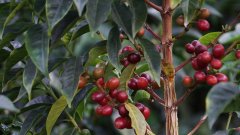
Limu Ethiopian grass and black sugar aroma fruit acid bright boutique coffee
The coffee-producing region of Ethiopia is divided into east and west parts by the East African Rift Valley, with lakes, volcanoes, lowlands, plateaus and woodlands interlaced, each evolving. Ethiopia has the most diverse coffee ecosystem in the world (forest coffee, semi-forest coffee, pastoral coffee and plantation coffee), which also preserves its rich Arabica genes. The eastern half is mostly plateaus, coffee beans.
2016-07-04 Lim Limu Ethiopia grass aroma sour bright boutique coffee
Ethiopian Coffee Manor Flavor description Grinding degree Taste characteristics introduction of Fine Coffee Price in producing area
Ethiopia's geographical environment is very suitable for coffee growth. Coffee is mainly grown in the southern highlands between 1100 and 2300 meters above sea level. The main coffee producing areas are Harar, Limu, Djimma, Sidamo, Kaffa, Yergacheffe and Wellega. The soil drainage in these areas is good.
2016-10-09 Ethiopia coffee manor flavor description grinding taste characteristics producing area
Characteristics of Ethiopian Coffee Flavor description; introduction to the taste characteristics of high-quality coffee beans
Ethiopia's geographical environment is very suitable for coffee growth. Coffee is mainly grown in the southern highlands between 1100 and 2300 meters above sea level. The main coffee producing areas are Harar, Limu, Djimma, Sidamo, Kaffa, Yergacheffe and Wellega. The soil drainage in these areas is good.
2016-09-27 Ethiopia coffee flavor description producing area characteristics boutique coffee beans taste
The Galapagos Coffee Manor in Ecuador, which can be made into high quality mixed coffee, has a special flavor and taste.
The Republic of Ecuador is located in northwestern South America. It is bordered by Colombia in the northeast, Peru in the southeast and the Pacific Ocean in the west. It covers an area of 256370 square kilometers and the coastline is about 930km long. The equator runs north of the border, and Ecuador means the Spanish equator. [3] Climate Ecuador is divided into the western coast, the central mountains, the eastern Amazon basin and the Galapagos Group
2016-09-02 Made quality mixed Coffee Ecuador Lapa Goss Manor producing area Wind
Granular, full-bodied El Salvador coffee estate. Flavor, taste, characteristics. Boutique coffee.
Savanna climate. Plain area belongs to tropical rain forest climate, mountain area belongs to subtropical forest climate. The annual average temperature is 25-28℃, the annual precipitation in mountainous areas is more than 1,800 mm, and that in coastal areas is about 1000 mm. May-October is the rainy season. Don't underestimate El Salvador's coffee production. In its heyday, it was the world's fourth-largest coffee producer, but decades of civil war nearly brought coffee down.
2016-09-03 Granular Full Salvador Coffee Manor Region Flavor Taste Characteristics Fine
El Salvador Coffee Santa Ana Volcano Region Renas Estate Introduction
El Salvador is also part of the former Mayan Empire, where more than 300 Mayan monuments remain accessible, especially those of San Andres. Organic farming: The civil war of the 1980s caused many coffee farmers in war zones to be reluctant to spend agricultural fertilizers on coffee plantations, forming the fact of "organic farming." After the war, they held
2016-07-04 El Salvador Coffee Anna Volcano Region Renas Nas Manor Presentation
Introduction to the special sweet coffee flavor and taste of Manor Erida in Panama
Panama is located on the Panamanian isthmus in Central America, bounded by Colombia to the east, the Pacific Ocean to the south, Costa Rica to the west and the Caribbean Sea to the north. The territory is S-shaped to connect North and South America, and the Panama Canal connects the Atlantic and Pacific oceans from north to south. It is known as the bridge of the world. [5] Panama has a land area of 75517 square kilometers, a land length of 772km and a width of 60 to 1.
2016-08-16 Special sweet Panama Ellie manor coffee flavor taste characteristics boutique
The unique floral flavor of boutique coffee beans from Geisha, an Ethiopian region in Africa
The species of Geisha was discovered in the Rose Summer Forest of Ethiopia in 1931 and sent to the Coffee Institute in Kenya; it was introduced to Uganda and Tanzania in 1936, in Costa Rica in 1953, and Panama was introduced in the 1970s by Francesca of Dongba Seven Farm Garden. Mr. Serraxin got the seeds from CATIE in Costa Rica and started growing Rosa Coffee because
2016-03-09 Africa Ethiopia producing areas Rosa Geisha boutique coffee beans alone
Peruvian cicada tea Mayou coffee bean boutique coffee bean technology
Up to 98 per cent of Peruvian coffee is grown in forest areas, most of the producers are small farmers, and Peru's best coffee is produced in several regions, such as Chanchamayo, Cuzco, Norte and Puno. Most Peruvian coffee is grown under natural conditions, but it is also difficult to confirm the cultivation of all coffee trees. Natural condition
2015-09-24 Peru cicada tea Mayu coffee beans boutique technology up to 98% coffee
Yega Xuefei Sun treatment Bancimaji how to buy good coffee beans online to buy coffee beans need
1. When buying beans online, you should pay attention to the production date, shelf life, packaging and sealing, the roasting degree of coffee beans, the types of coffee beans, and your utensils to determine what kind of beans you want. If you use blue mountain beans to make ESP, it is indeed a maverick way, but it is also too unprofessional and expensive, and the taste is not very good. The production date must be at least
2016-04-23 Yega Sheffield tanning processing Benji Maggie how buy okay coffee beans
Unique aromatic Ethiopian Coffee Flavor description Grinding degree Variety characteristics of producing areas
Ethiopia's geographical environment is very suitable for coffee growth. Coffee is mainly grown in the southern highlands between 1100 and 2300 meters above sea level. The main coffee producing areas are Harar, Limu, Djimma, Sidamo, Kaffa, Yergacheffe and Wellega. The soil drainage in these areas is good.
2016-10-09 Unique fragrant Ethiopian coffee flavor description grinding variety characteristics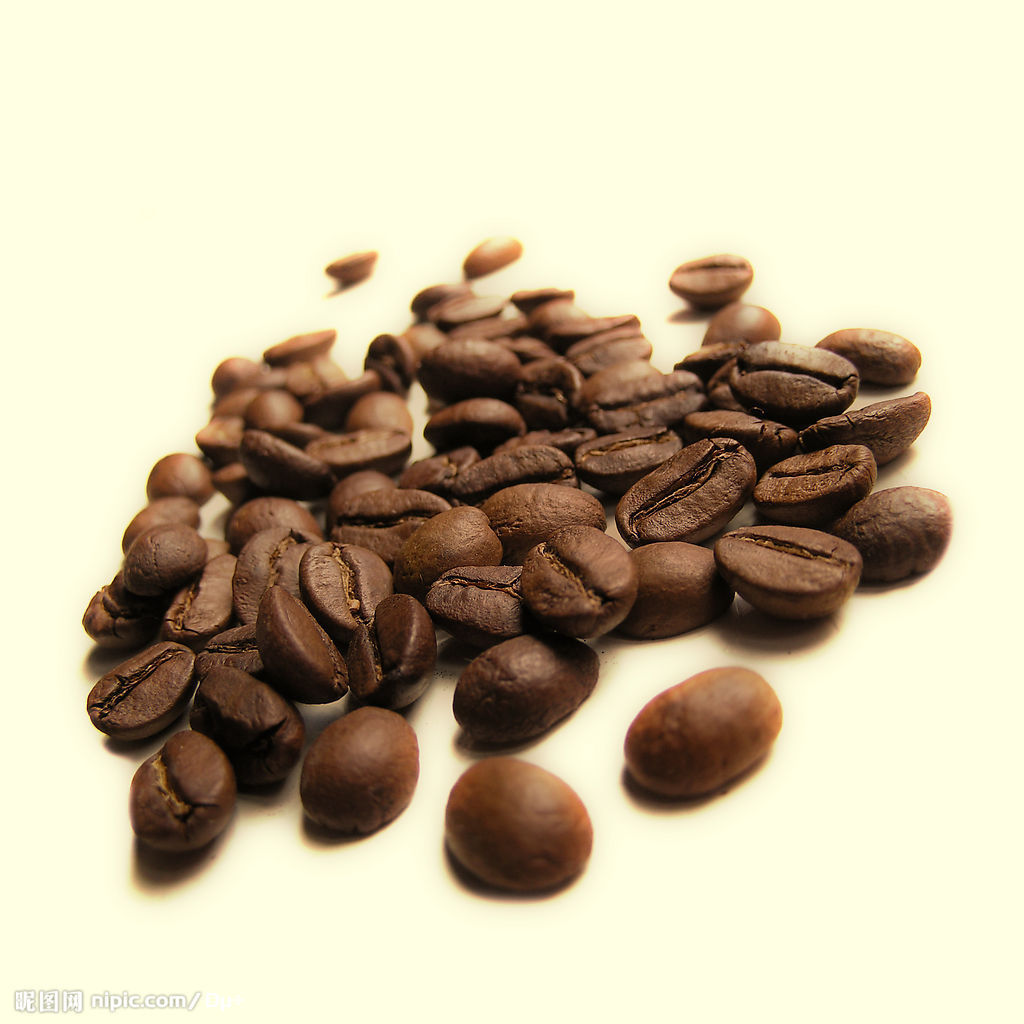
American Coffee Manor Peruvian Coffee beans have sweet nutty flavor.
Up to 98 per cent of Peruvian coffee is grown in forest areas, most of the producers are small farmers, and Peru's best coffee is produced in several regions, such as Chanchamayo, Cuzco, Norte and Puno. Most Peruvian coffee is grown under natural conditions, but it is also difficult to confirm the cultivation of all coffee trees. Natural condition
2016-01-11 America Coffee Manor Peru producing area Chan Tea Mayu Coffee beans with beautiful
Introduction to the taste description of Ethiopian coffee variety boutique coffee bean manor
Ethiopia's geographical environment is very suitable for coffee growth. Coffee is mainly grown in the southern highlands between 1100 and 2300 meters above sea level. The main coffee producing areas are Harar, Limu, Djimma, Sidamo, Kaffa, Yergacheffe and Wellega. The soil drainage in these areas is good.
2016-09-24 Ethiopia coffee variety boutique coffee beans manor producing area taste description
Peruvian cicada tea Mayou coffee beans basic knowledge of coffee beans
Up to 98 per cent of Peruvian coffee is grown in forest areas, most of the producers are small farmers, and Peru's best coffee is produced in several regions, such as Chanchamayo, Cuzco, Norte and Puno. Most Peruvian coffee is grown under natural conditions, but it is also difficult to confirm the cultivation of all coffee trees. Natural condition
2015-06-05 Peru cicada tea Mayu coffee beans basics common sense up to 98% coffee
High-quality coffee beans recommend Peruvian cicada tea Mayou coffee beans
Up to 98 per cent of Peruvian coffee is grown in forest areas, most of the producers are small farmers, and Peru's best coffee is produced in several regions, such as Chanchamayo, Cuzco, Norte and Puno. Most Peruvian coffee is grown under natural conditions, but it is also difficult to confirm the cultivation of all coffee trees. Natural condition
2014-11-13 Coffee knowledge boutique coffee beans Peruvian coffee beans recommended
Introduction to the characteristics of Panamanian Jade Manor Coffee Flavor
In 1903, after defeating Britain and France, the United States signed a treaty with the Colombian government to build and lease canals, which the Colombian Congress refused to ratify. [5] on November 3, 1903, American troops landed in Panama, instigating Panama to become independent from Colombia and establish the Republic of Panama. On November 18 of the same year, the United States acquired the permanent monopoly right to build and operate the canal and the permanent use of the canal zone.
2016-08-25 Bright taste Panama jade manor coffee flavor producing area characteristics introduction